
Structured Cabling in
Dallas–Fort Worth
Structured Cabling
Commercial Data Cabling
Professional installation of Cat6, Cat6A, and fiber optic cabling for offices, warehouses, churches, healthcare, and retail environments. Built for performance, reliability, and long term scalability.
Fiber Optic Installation
Single-mode and multi-mode fiber solutions for high-bandwidth backbone connectivity, MDF to IDF runs, and inter-building links. Precision termination and certified testing included.
Rack & IDF Buildouts
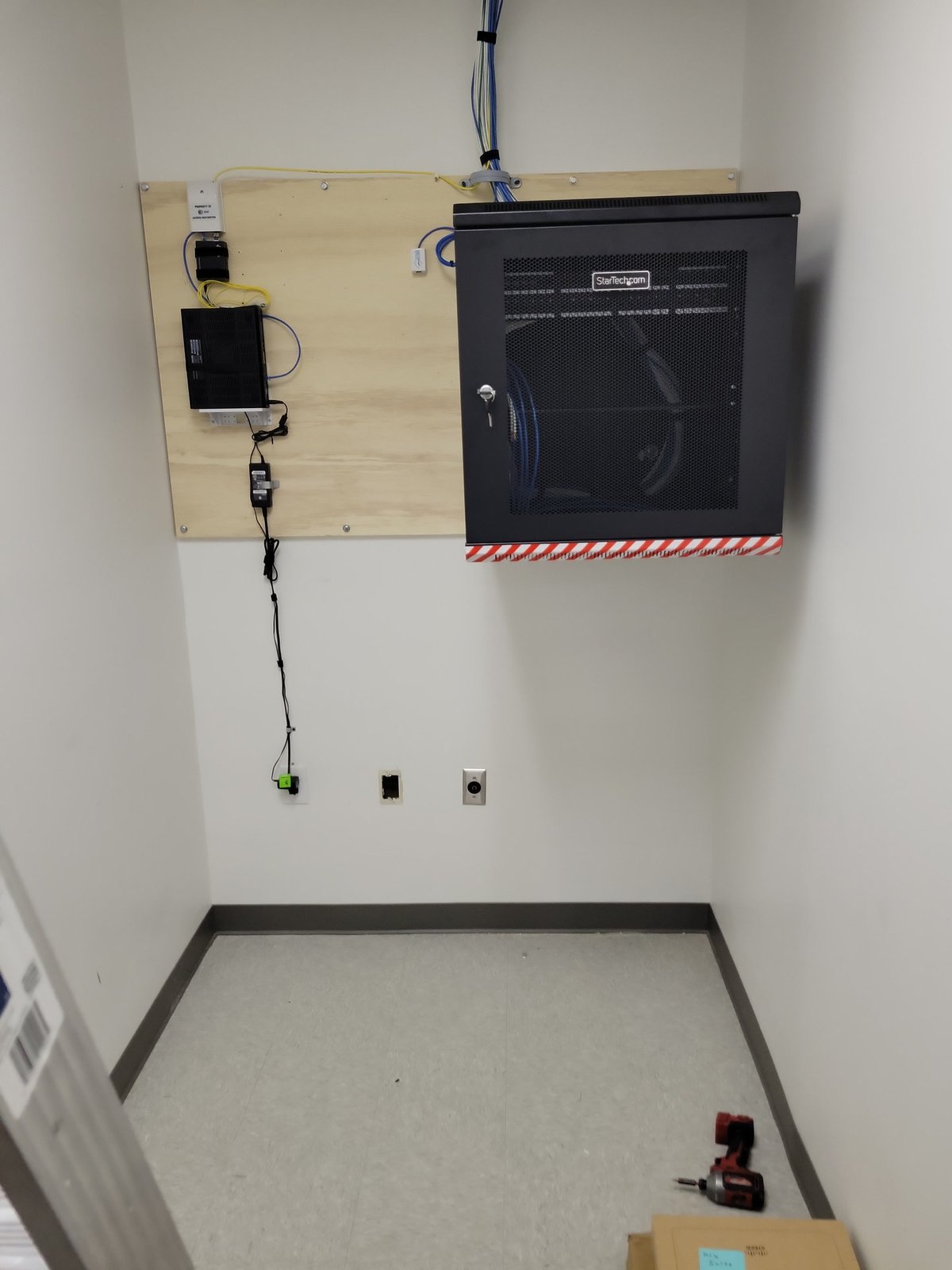
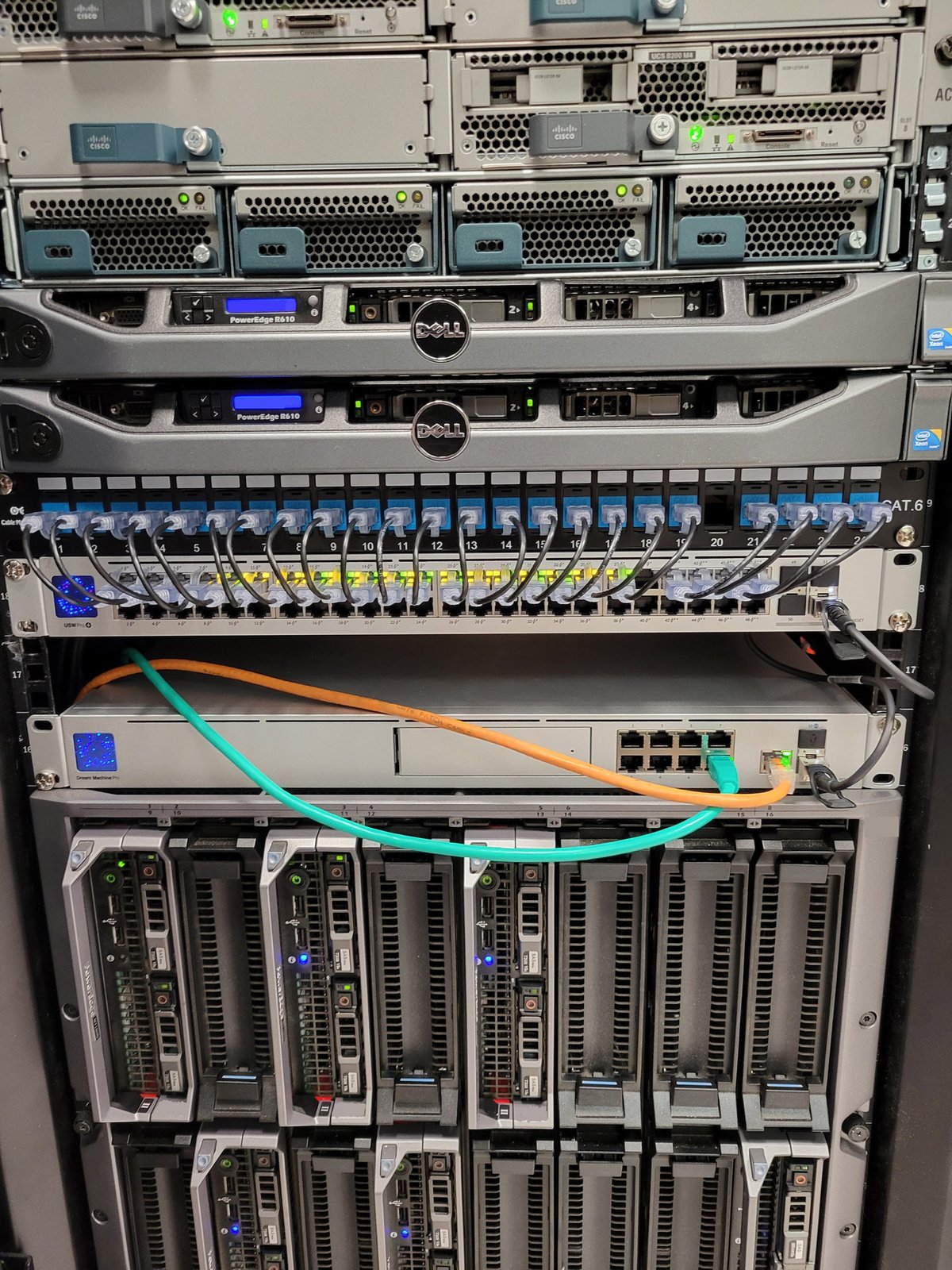
Clean, organized rack installations with proper cable management, labeling, patch panels, grounding, and airflow planning for easy maintenance and future expansion.
Cable Certification & Testing
Fluke-tested and fully documented cabling systems to ensure compliance with industry standards and guaranteed performance.
Low-Voltage Infrastructure
Structured wiring for data, security cameras, access control, Wi-Fi access points, and audiovisual systems, all integrated into one cohesive infrastructure.
New Construction & Retrofits
Complete cabling solutions for new builds, tenant finish-outs, and upgrades to existing systems without disrupting operations.
Clean Cable Remediation
Remove abandoned cabling, reorganize existing racks, and bring outdated installations up to current standards for safety and efficiency.
Scalable Network Foundations
Designed with future growth in mind, making it easy to add devices, increase bandwidth, or expand locations without starting over.
Pathway & Conduit Installation
Professional installation of cable trays, J-hooks, ladder racks, and conduit systems to support structured cabling the right way. Designed for code compliance, protection, and easy future expansion while keeping ceilings and telecom rooms organized.
Built on the Right Foundation.
Designed to Grow With You.
Your network is only as strong as the infrastructure behind it. At Cannon System Design, we design and install professional structured cabling systems that deliver reliable performance today and support future expansion tomorrow. From single offices to large commercial facilities, we build clean, organized, and standards-compliant cabling systems that keep your business connected without compromise.
Frequently Asked
Questions
How far can Ethernet cabling run?
Copper Ethernet cabling (Cat6/Cat6A) is limited to 100 meters (328 feet) per run, including patch cords. For distances beyond that, fiber optic cabling is required to maintain signal integrity and performance.
Do you test and certify cabling installations?
Yes. We use professional certification tools to verify performance, attenuation, wire mapping, and compliance with industry standards. Every drop is labeled and documented to ensure future serviceability and warranty support.
What type of Ethernet cable should my business use — Cat6, Cat6A, or fiber?
Cat6 supports up to 1–10Gb speeds at shorter distances and is suitable for most office environments. Cat6A is rated for consistent 10Gb performance up to 100 meters and offers better shielding against interference. Fiber optic cabling (single-mode or multi-mode) is recommended for backbone runs, high-bandwidth applications, long-distance links, or connecting multiple IDFs and buildings.
What is structured cabling and why is it important?
Structured cabling is a standardized telecommunications infrastructure that supports data, voice, video, security, and wireless systems. It follows ANSI/TIA standards to ensure performance, reliability, and scalability. A properly designed system reduces downtime, simplifies troubleshooting, and prevents costly rework as your business grows.
What is the difference between an MDF and IDF?
The Main Distribution Frame (MDF) is the primary telecommunications room where your core network equipment and service provider handoff are located. Intermediate Distribution Frames (IDFs) extend connectivity to other floors or sections of the building. Proper backbone design between MDF and IDFs is critical for performance and redundancy.
What is cable certification and why does it matter?
Certification verifies that each cable meets performance standards for its category rating (Cat6, Cat6A, etc.). This ensures the cable can reliably support its intended speed and bandwidth while protecting your investment from future network issues.
How do you design a cabling system for future growth?
We evaluate current device counts, expected expansion, bandwidth requirements, rack space, conduit capacity, and switch infrastructure. By building in additional pathways, proper rack layout, and backbone capacity, your system can scale without costly overhauls.
Can structured cabling support security cameras, access control, and Wi-Fi?
Yes. A properly designed low-voltage infrastructure supports IP cameras, access control panels, wireless access points, and other PoE-powered devices. Planning for power requirements, bandwidth, and switch capacity is essential.